
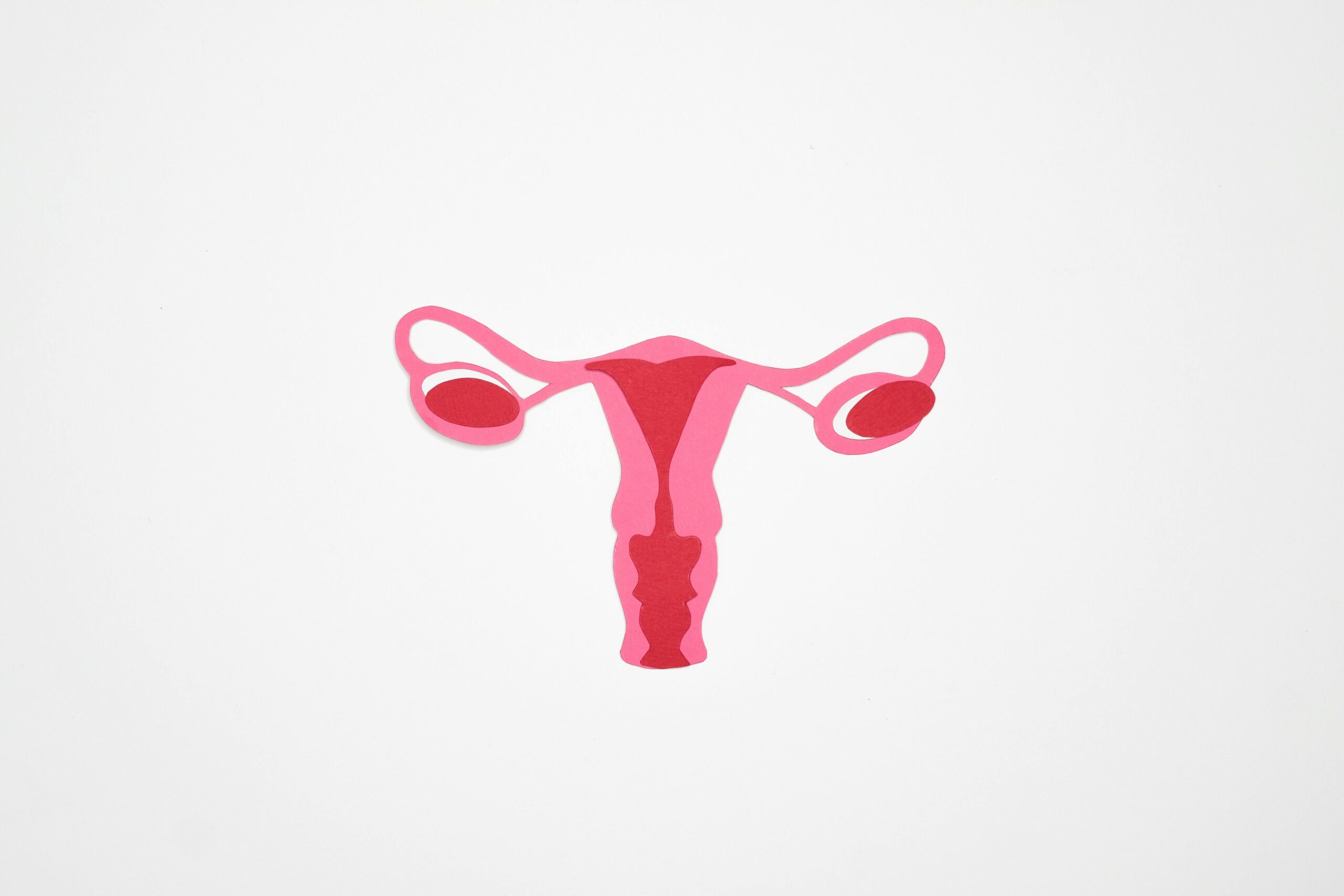
Perimenopause Explained: Symptoms, Hormone Changes, and What Actually Helps
If you’ve been feeling “off” lately, more tired, more anxious, struggling with sleep, or just not quite feeling like yourself, you’re not imagining it. For many women, these changes are the earliest signs of perimenopause, a natural but often confusing transition. This transition can begin years before menopause, and Often Women feel they are not adequately informed on the subject.
Perimenopause is a normal stage of life, but it’s frequently misunderstood, under-explained, and Often minimised in society and medically. Understanding what’s happening in your body is one of the most powerful steps toward feeling supported and back in control
What Is Perimenopause?
Perimenopause is the transitional phase before menopause, when hormone levels, particularly oestrogen and progesterone, begin to fluctuate, rather than decline steadily. These fluctuations are responsible for many of the symptoms women experience.
According to the North American Menopause Society (NAMS) and The British Menopause Society, perimenopause can begin several years before menopause and often starts earlier than most women expect. often leading to misdiagnoses of symptoms.
Menopause itself is defined as the point when 12 consecutive months have passed without a menstrual period. Perimenopause is everything that happens before that point, and post-menopause is everything after.
When Does Perimenopause Start?
For many women, perimenopause begins in their late 30s to early 40s, although it can start earlier or later. Symptoms such as changes in mood, sleep, or stress tolerance often appear before periods become irregular, which is why they’re frequently overlooked.
Research published in The Journal of Clinical Endocrinology & Metabolism shows that hormonal variability, not just low hormone levels, is a key driver of early perimenopause symptoms. This unpredictability is why symptoms can feel confusing and inconsistent
Which Hormones Are Changing and Why It Matters
Oestrogen (Estradiol)
During perimenopause, oestrogen doesn’t simply fall it becomes erratic. Levels may spike one cycle and drop sharply the next.
Oestrogen plays a role in:
- Mood regulation (via serotonin)
- Sleep
- Temperature control
- Cognitive function
Outcome:
Mood swings, anxiety, brain fog, hot flushes, and sleep disruption can occur even when oestrogen levels aren’t consistently low.
Progesterone
Progesterone is often the first hormone to decline, as ovulation becomes less regular. Progesterone has a calming effect on the nervous system and supports sleep by interacting with GABA receptors. GABA receptors can be seen as calming switches in the brain, with Progesterone being one of many things that Helps turn the switches on.
Outcome:
Lower or inconsistent progesterone is strongly linked to:
- Difficulty staying asleep
- Increased anxiety
- Feeling “wired but tired”
- Reduced stress tolerance
This is why sleep and anxiety symptoms often appear early in perimenopause.
FSH (Follicle-Stimulating Hormone)
As the ovaries respond less consistently, the brain increases production of FSH to stimulate ovulation. Rising and fluctuating FSH levels are a recognised biological marker of perimenopause.
Outcome:
FSH doesn’t cause symptoms directly, but it reflects ovarian instability, contributing to cycle changes and hormonal unpredictability.
Testosterone
Testosterone gradually declines with age and plays a role in energy, motivation, muscle strength, and libido.
Outcome:
Some women notice reduced sex drive, lower energy, and changes in body composition over time, such as reduced muscle mass.
Common Symptoms of Perimenopause
Perimenopause affects far more than periods. Common symptoms include:
- Sleep disruption or early waking
- Anxiety or low mood
- Fatigue and energy crashes
- Brain fog or poor concentration
- Changes in cycle length or flow
- Weight changes
- Skin dryness, breakouts, or hair thinning
- Reduced resilience to stress
Symptoms vary widely and can change month to month. Importantly, they are biological and not a personal failing. often, women are juggling work, Relationships or children and feel an added pressure which they may not attribute to perimenopause symptoms.
Why Perimenopause Can Feel So Hard
Hormones influence nearly every system in the body, including the brain, nervous system, gut, and metabolism. Fluctuating oestrogen and declining progesterone affect neurotransmitters such as serotonin and GABA, which play key roles in mood, sleep, and anxiety.
Studies show that hormonal changes during perimenopause are associated with an increased risk of sleep disruption and mood symptoms, even in women with no prior history of anxiety or depression. This can be deeply unsettling, especially if you’ve always felt emotionally stable and resilient!
What Actually Helps During Perimenopause
There is no single solution, but many women find relief through a combination of:
Understanding what’s happening
Education is one of the most powerful tools. Knowing symptoms are hormonally driven and common can reduce fear and self-blame.
Supporting sleep and stress
Sleep disruption is often one of the earliest and most impactful symptoms. Research highlights the importance of sleep hygiene, stress reduction, and nervous system support during hormonal transition.
Nutrition and supplementation
Nutrients such as magnesium, omega-3 fatty acids, and vitamin D are commonly studied for their role in sleep, mood, and overall health during perimenopause. Quality and formulation matter, which is why careful product review is important. Reviewing the diet to support Body composition and Energy can Also be useful.
Lifestyle and therapeutic tools
Gentle movement, light exposure, and emerging therapies such as red light therapy are being explored for their potential benefits in supporting energy, sleep, and skin health.
Medical support when appropriate
For some women, medical guidance including hormone therapy may be helpful and should always be discussed with a qualified healthcare professional.
You Are Not Alone
One of the hardest aspects of perimenopause is how invisible it can feel. Many women struggle in silence, assuming they are “just stressed” or “not coping well.”
Perimenopause is not a weakness. It is a biological transition that deserves understanding, support, and evidence-based care.
How The Holistic Women Hub Supports You
The Holistic Women Hub provides clear, evidence-informed guidance for women navigating perimenopause. We review supplements, therapies, and wellness tools with transparency helping you make informed choices without overwhelm or hype.
Our goal is simple: to support you in finding your way back to feeling like yourself again.
Hi, this is a comment.
To get started with moderating, editing, and deleting comments, please visit the Comments screen in the dashboard.
Commenter avatars come from Gravatar.