If you’re struggling with sleep during perimenopause, waking in the early hours, feeling restless at night, or starting the day already exhausted, you’re not alone. Sleep disruption is one of the most common and earliest symptoms of perimenopause, and it is driven by real biological changes, not Just Stress Or Poor Habits.
Understanding why sleep changes during perimenopause and what genuinely helps can make this phase feel far more manageable.
Why Sleep Changes During Perimenopause
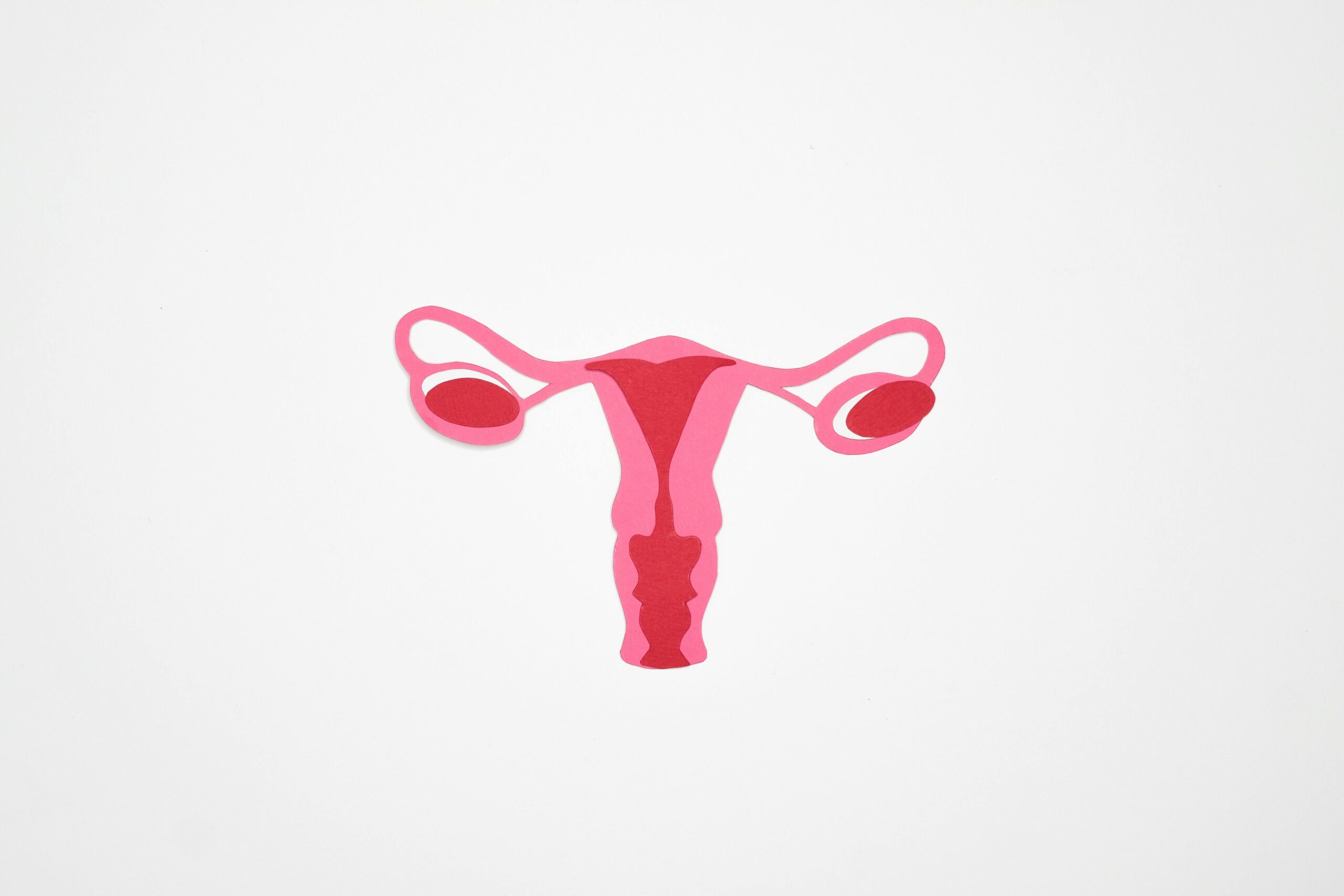
Sleep problems during perimenopause are primarily driven by hormonal fluctuation, not simply ageing or lifestyle factors.
Two hormones are especially important:
Progesterone
Progesterone is often the first hormone to decline as ovulation becomes less regular. It has calming effects on the brain by interacting with GABA receptors, which support relaxation and sleep.
Lower or inconsistent progesterone is associated with:
- Difficulty staying asleep
- Early morning waking
- Increased nighttime anxiety
Oestrogen
Oestrogen levels fluctuate unpredictably during perimenopause. These fluctuations affect:
- Body temperature regulation
- Serotonin production
- Circadian rhythm stability
Research published in The Journal of Clinical Endocrinology & Metabolism shows that hormonal variability, rather than consistently low hormone levels, is a key driver of sleep disturbance during the perimenopausal transition (Santoro et al.).
What Actually Helps Perimenopausal Sleep
1. Sleep Foundations (Essential First Step)
Before supplements or therapies, basic sleep support matters most. Evidence consistently shows that behavioural and environmental strategies form the foundation of effective sleep management during midlife (Baker et al., Sleep Medicine Reviews).
Focus on:
- Consistent sleep and wake times
- Morning light exposure
- Reducing bright light and stimulation in the evening
- Managing caffeine timing
2. Magnesium for Perimenopause Sleep
Magnesium supports nervous system regulation and plays a role in sleep quality. Clinical studies suggest magnesium supplementation may improve sleep efficiency and reduce insomnia symptoms, particularly in individuals experiencing stress or low magnesium intake (Abbasi et al., Journal of Research in Medical Sciences).
May be helpful if you experience:
- Night-time restlessness
- Muscle tension
- Stress-related sleep disruption
Best-studied forms:
- Magnesium glycinate
- Magnesium bisglycinate
3. Nervous System & Cognitive Support
Cognitive Behavioural Therapy for Insomnia (CBT-I) is one of the most effective non-pharmacological treatments for sleep disruption during menopause and perimenopause (Trauer et al., Annals of Internal Medicine).
Accessible options include:
- Guided relaxation
- Mindfulness-based practices
- Structured CBT-I sleep programmes
4. Light Therapy & Circadian Support
Light exposure is a key regulator of circadian rhythm. Emerging research suggests that targeted light therapy, including red light exposure, may support sleep timing and evening relaxation, although evidence is still developing.
5. When to Seek Medical Support
If sleep disruption is severe, persistent, or accompanied by significant mood changes, medical guidance may be appropriate. Hormone therapy has been shown to improve sleep for some women, but decisions should be individualised and discussed with a qualified healthcare professional (NICE Menopause Guidance).
What Usually Doesn’t Help (or Has Limited Evidence)
- Multi-ingredient “sleep blends” with stimulatory herbs
- High-dose melatonin used long-term
- Products promising to “fix” hormonal sleep
Being selective protects both your sleep and your trust in products.
Key Takeaway
Sleep disruption during perimenopause is common, biological, and real. Most women see improvement by combining education, behavioural strategies, and targeted support, rather than chasing quick fixes.
How The Holistic Women Hub Supports You
At The Holistic Women Hub, we provide evidence-informed education and transparent reviews of supplements, therapies, and wellness tools. Our goal is to reduce confusion, avoid exaggerated claims, and help you make confident, informed choices during perimenopause.